

Mobile esports is simply competitive gaming that runs on a phone or tablet instead of a console or PC. Think of games like Mobile Legends, PUBG Mobile, or Call of Duty: Mobile where tournaments offer prize pools that rival some of the biggest desktop titles. The core idea is the same: players battle for glory, but the hardware is a smartphone, the screen a touch panel, and the network a 5G connection.
Why the Shift to Smartphones Matters
Smartphones have become the most ubiquitous gaming platform. In 2023, global mobile game downloads hit 1.6 billion, up 12 % from the previous year. That figure includes casual players and hardcore competitors alike. Because a phone fits in a pocket, tournaments can be organized in cities or even online without the need for expensive arenas. A player in Seoul can face an opponent in Lagos with just a stable internet link.
The Tech Behind the Thrill
Modern phones carry GPUs that can match or exceed the performance of some low‑end PCs. For example, the Snapdragon 8 Gen 1 delivers 2.6 TFLOPs of graphics power, enough to run high‑frame‑rate 3D titles. Coupled with 5G, latency can drop below 20 ms, which is critical for fast‑paced shooters and MOBA games. Developers now optimize engines like Unity and Unreal to scale down textures and reduce draw calls so the game feels smooth on a 6‑inch screen.
Community and Accessibility
One of the biggest advantages is the sheer size of the player base. In regions like Southeast Asia and India, mobile gaming is the primary way people access esports. A tournament in Jakarta can attract over 10,000 participants in a single day, compared to a few hundred at a local LAN event. This inclusivity also means that organizers can host events in community centers, schools, or even through livestreams on TikTok and YouTube.
Monetization and the Business Side
Revenue streams for mobile esports are diverse. In‑app purchases, cosmetic skins, and battle passes are the most common, but sponsorships are growing rapidly. In 2022, the total revenue from mobile esports tournaments hit $250 million, with $90 million coming from brand partnerships. These sponsors often provide prize money, marketing support, and exclusive content, creating a virtuous cycle that fuels further growth.
From Screens to Slots: A Quick Detour
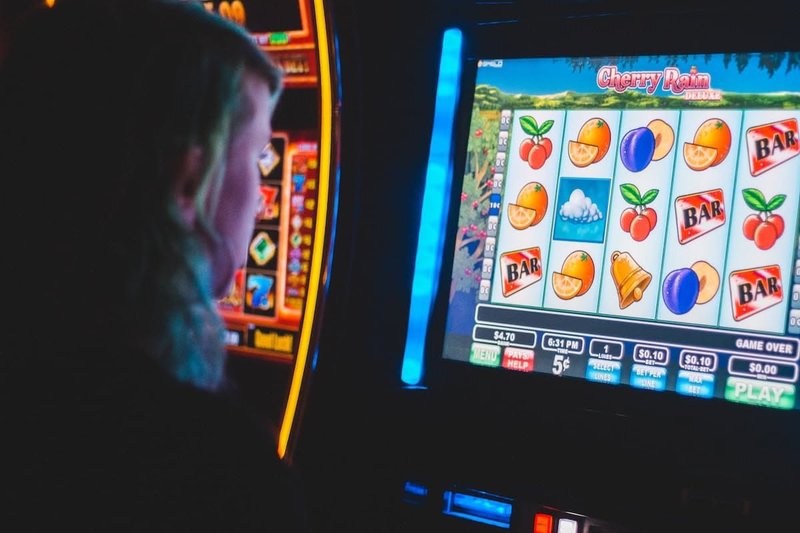
While the competitive scene is booming, many players also enjoy casual gaming for entertainment. If you’re looking to mix a bit of thrill with some relaxed play, you might check out a National Casino Login and see how mobile platforms bring casino games into your pocket.
Challenges That Still Need Fixing
Despite the hype, mobile esports isn’t all smooth. Input lag remains an issue on older devices; a 50 ms delay can cost a match in a first‑person shooter. Also, the lack of a standardized controller means that touch controls can feel clunky for precision tasks. Finally, the high cost of high‑end phones can be a barrier for players in lower‑income regions, limiting the diversity of the competitive pool.
Future Outlook
Looking ahead, we can expect more cross‑platform tournaments where mobile and PC players compete side by side. Cloud gaming services like Google Stadia and Xbox Cloud are already allowing phones to stream high‑end titles, blurring the line between mobile and desktop esports. Additionally, as 5G coverage expands, latency will drop further, making real‑time strategy games viable on a smartphone.
Final Thoughts
Mobile esports is reshaping the competitive landscape by making high‑quality tournaments accessible to anyone with a phone. It brings the excitement of professional play into everyday pockets, lowers entry barriers, and opens up new revenue streams. While there are technical hurdles to overcome, the trajectory is clear: smartphones are no longer just a pastime; they’re a legitimate arena for the next generation of champions.