

Stock Up Smart: The Ultimate Guide to Buying Bulk Ammo Without Breaking the Bank
Running low on ammunition right when you need it most is a frustrating interruption to practice or preparation, and buying bulk ammo eliminates that worry by keeping a steady supply on hand. Essentially, you purchase a large quantity of loaded cartridges—often in cases of 500 or 1,000 rounds—at a lower per-round cost, so your wallet and your range bag both feel the relief. This approach works simply because manufacturers pass on savings for larger orders, and you can store those sealed boxes in a cool, dry place to preserve their reliability for months or years. When you’re ready to shoot, just grab a box, load your magazines or cylinder as usual, and enjoy consistent performance without repeated trips to the store.
Why Buying Ammunition in Large Quantities Saves You More Than Just Money
Buying bulk ammo isn’t just about the lower per-round price—it’s about saving your future self from panic, wasted gas, and empty shelves. When you stock up in large quantities, you lock in a consistent lot number, which means your zero and point of impact stay identical across every box. That consistency translates into fewer frustrating range trips spent re-sighting your rifle. Plus, having a deep stash means you actually shoot more often, turning occasional practice into muscle memory. You also sidestep the “just one box” trap, where soaring retail prices and scarcity force you to settle for whatever’s left. Ultimately, buying ammunition in large quantities buys you certainty, consistency, and the freedom to train without constantly watching your round count. That’s a payoff no single box can match.
How Per-Round Pricing Drops When You Purchase by the Case
When you buy ammunition, the most immediate financial benefit of switching from boxes to cases appears in the per-round price drop. Retailers price individual boxes with a higher margin to cover handling and small-order logistics, but a case (typically 500 to 1,000 rounds) lets them spread those fixed costs over far more units. This often translates to a 10–20% reduction per cartridge, depending on caliber and brand. The drop isn’t linear, though: the first case tier usually offers the steepest discount, while larger bulk orders (e.g., 5,000 rounds) yield smaller incremental savings. Because the price break is tied to packaging and freight, you’ll see the biggest per-round drop when you hit the manufacturer’s standard case quantity.
- Case purchases eliminate the per-box handling surcharge, directly lowering each round’s cost.
- Shipping a single heavy case costs less per round than multiple small parcels.
- Promotional pricing often applies only at case-quantity thresholds, not at box level.
- Repeating the same case order can lock in a consistent per-round baseline for budget planning.
Hedging Against Future Price Fluctuations Without Chasing the Market
Locking in a price today is the quiet superpower of bulk purchasing, letting you sidestep tomorrow’s hikes without obsessing over every market twitch. When you buy in volume, you create a buffer that absorbs future spikes, so you never feel pressured to panic-buy at inflated rates. Instead of chasing daily fluctuations, you set your own baseline, and that stability means your shooting budget stays predictable. Each box you stock now is a fixed bet against volatility, turning a one-time outlay into a shield for your wallet. Make the call now, and you’re not gambling—you’re simply refusing to pay more later. That’s smart inventory security at .338 Lapua Ammo for Sale its finest, ensuring your supply outlasts the price swings.
What to Check Before Stocking Up on a Massive Order of Cartridges
Before you commit to a pallet of cartridges, verify the lot number’s consistent headstamp and primer sealant—mixed batches in bulk ammo often hide pressure variations that ruin accuracy. Inspect the packaging for crushed boxes or corroded brass, since a massive order stored poorly means failures at the range. Check your firearm’s chamber spec against the cartridge’s exact OAL and bullet profile; a slight mismatch turns a bargain into a jam-prone nightmare. Confirm the powder’s burn rate via velocity samples from the first few boxes—if they deviate wildly, the lot is suspect. Finally, calculate your storage humidity and temperature before signing for the shipment. Bulk ammo quality checks like these—magnet test on bullets, rim thickness gauge—separate a smart stockpile from a costly misfire. One bad lot in a huge buy is a headache you cannot return.

Headstamp Consistency and Lot Number Matching for Reliable Accuracy
Before committing to a massive bulk ammo order, verify that every box shares an identical headstamp—the markings on the cartridge base indicating manufacturer and caliber. Mixed headstamps signal inconsistent case dimensions, wall thickness, and primer pocket depth, which directly undermine reliable lot-matched accuracy. Even more critical is matching lot numbers across all cases; a single lot guarantees uniform propellant charge weights, bullet seating depth, and case hardness. Firing mixed lots means your zero shifts unpredictably as pressures and velocities vary between batches. Inspect sample boxes from multiple corners of the pallet—don’t trust the top layer. If headstamps or lot numbers differ, reject the shipment or demand segregated lots. Your precision depends on identical brass and identical powder behavior shot after shot.
Matching headstamps and lot numbers across all bulk cartridges ensures uniform 6.5x57mm Mauser Ammo for Sale pressure, velocity, and seating depth—delivering the consistent accuracy that only identical-case ammunition can provide.
Sealant and Corrosion Protection on Bulk Surplus vs. Factory New Rounds
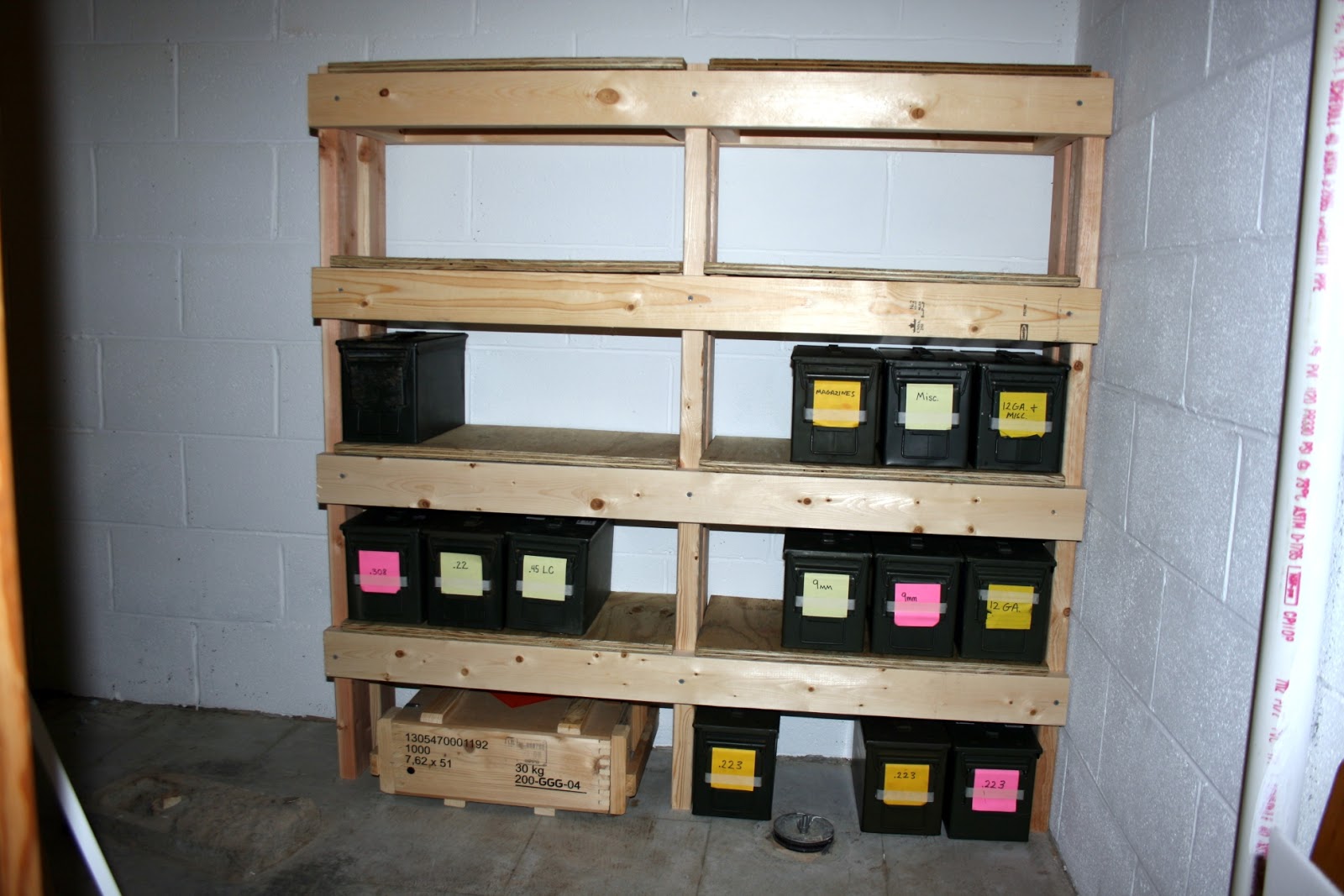
When assessing sealant and corrosion protection on bulk surplus versus factory new rounds, inspect the primer annulus and case mouth crimp first. Surplus ammunition often relies on thick, brittle asphalt-based sealants that can Ammunition for Sale crack under temperature swings, exposing powder to moisture; factory new rounds typically use flexible lacquers or polymer coatings that conform better to case expansion. Check for verdigris or white oxide around the primer pocket—surplus corrosion here indicates failed sealant integrity. For case necks, surplus rounds may lack bullet sealant entirely, whereas new production usually applies a waterproofing bead. Sequence your evaluation: 1) visually scan for crusty residue or green oxidation, 2) scratch-test sealant hardness with a fingernail, 3) wipe with a solvent-dampened cloth to see if the sealant dissolves or beads water, and 4) store any corroded surplus separately to avoid contaminating clean batches. If sealant flakes off in dry chunks, expect accelerated oxidation in humid storage.
Choosing the Right Grain Weight and Bullet Type for High-Volume Shooting
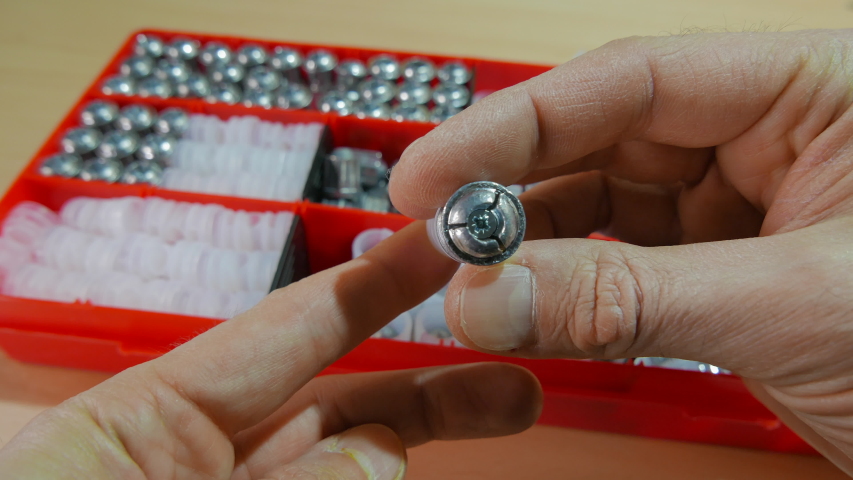
When selecting bulk ammo for high-volume shooting, grain weight directly dictates recoil impulse and point-of-impact consistency. Lighter grains, like 55gr in .223, produce flatter trajectories and lower felt recoil, enabling faster follow-up shots during extended range sessions. Heavier grains, such as 62gr or 77gr, offer better wind resistance but increase muzzle rise and barrel heat, which can degrade accuracy in rapid fire. For bullet type, full metal jacket (FMJ) is the standard for bulk practice due to its reliable feeding and cost efficiency, while flat-base bullets often outperform boat-tails at typical high-volume distances under 300 yards because they seal the bore more consistently. Always fire a 50-round test batch of any new bulk lot to verify your rifle’s twist rate stabilizes the chosen grain before committing to a case. Match your bullet weight to your barrel’s twist rate and your intended target distance to maximize value and training fidelity.
Full Metal Jacket vs. Soft Point vs. Hollow Point for Range, Hunting, and Defense
For bulk ammo, FMJ is your range-day workhorse—cheap, reliable, and it punches clean holes for easy target spotting. Soft points shine for hunting because they expand reliably at lower velocities while still feeding smoothly in most firearms, making them a great mid-priced bulk choice for field use. Hollow points are the defense pick, designed to mushroom on impact 6.8 SPC Ammo for Sale and limit over-penetration, though they cost more per round. When buying in bulk, match the bullet type to your primary purpose: stockpile FMJ for practice, grab soft points for game, and keep a smaller, quality stash of hollow points for carry—never mix them for drills since point of impact shifts between designs. Expansion behavior alone dictates which round belongs in which magazine.
How Recoil Sensitivity and Barrel Twist Rate Affect Your Bulk Purchase Choice
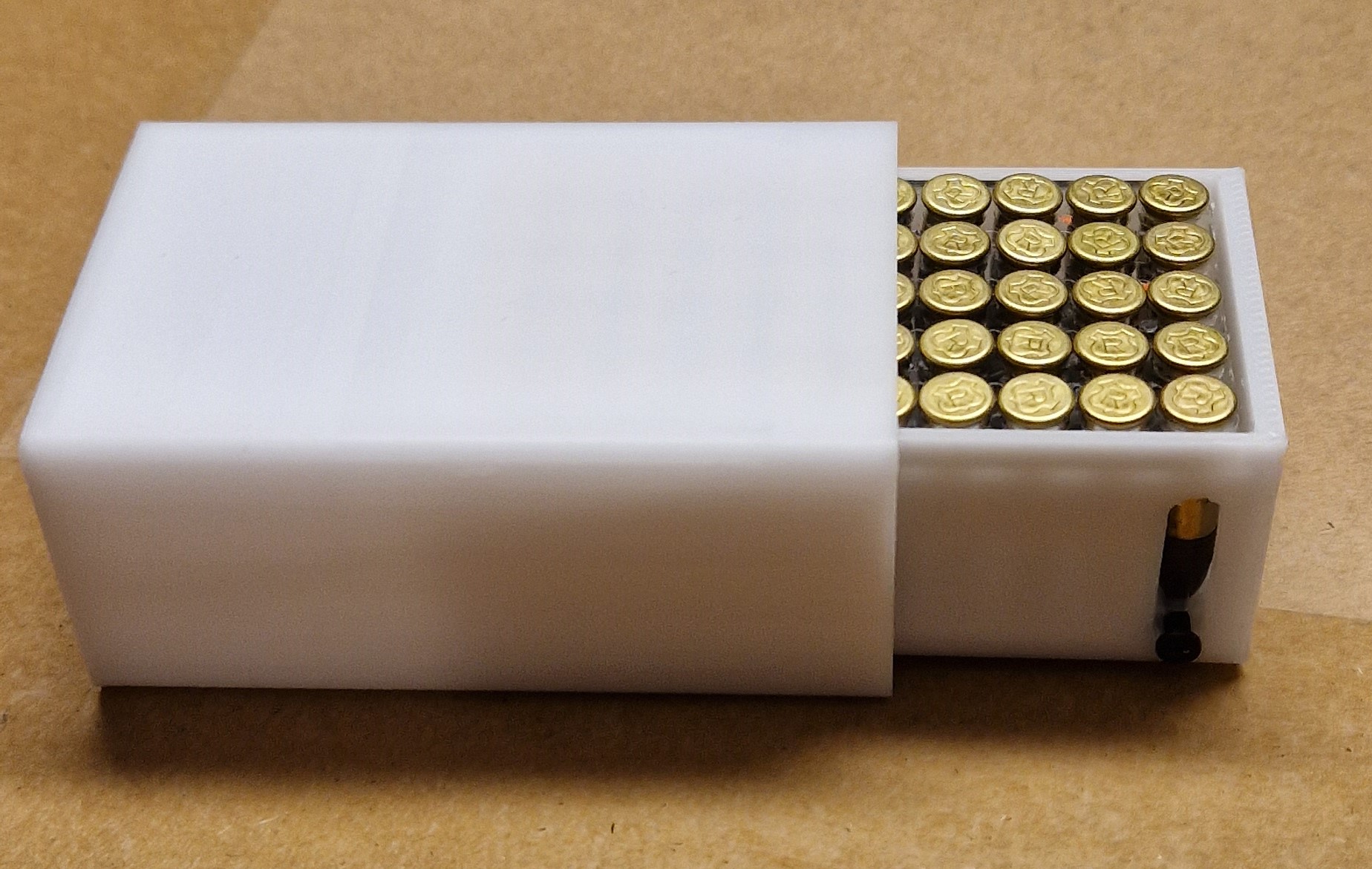
When buying bulk ammo, recoil sensitivity and barrel twist rate must dictate your grain weight selection before cost-per-round. A lighter 55-grain load reduces felt recoil, allowing faster follow-up shots during high-volume sessions—critical if you flinch or shoot from a bench. Conversely, a heavy 67-grain bullet in a 1:7 twist stabilizes better than a light one, which may keyhole at longer distances. Your rifle’s twist rate overrides personal comfort, as mismatched spin ruins accuracy regardless of recoil. Test one box of each grain against your barrel’s 6.5×55 Swedish Ammo for Sale twist before committing to 1,000 rounds. Purchase for your gun’s stabilization, then adjust bullet weight down if recoil fatigue worsens your groupings.
Proper Storage Methods That Keep a Large Ammo Stockpile Fresh for Years
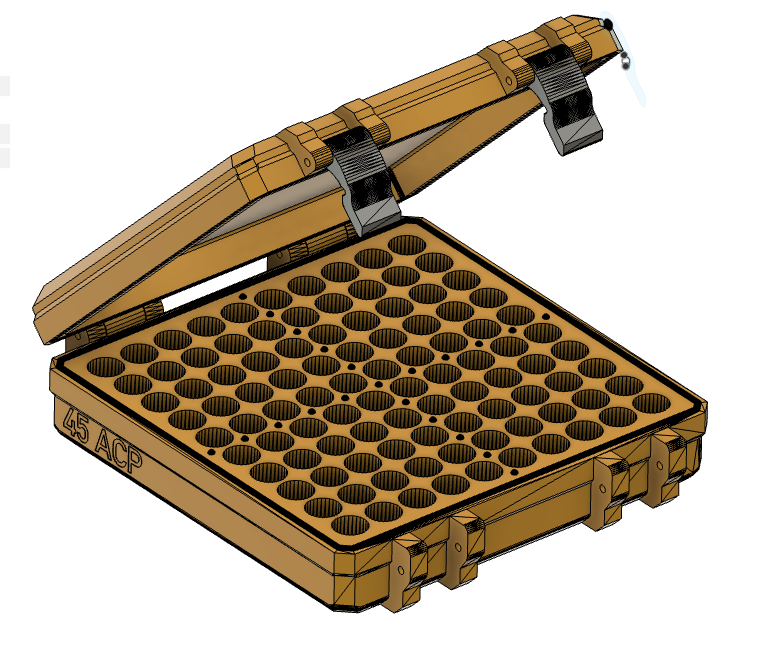
To keep a large ammo stockpile fresh for years, control the environment before anything else. Seal bulk ammo in airtight, military-spec弹药 cans with desiccant packs, removing oxygen that accelerates powder degradation. Maintain a stable temperature between 55–70°F; avoid attics or garages where daily swings cause condensation inside primers. Elevate every can off concrete floors on wooden pallets https://specialtysportsandsupplyltd.com/ or metal racks to prevent moisture wicking through metal. Rotate your stockpile using a first-in, first-out system—write dates on each canister—so older batches get used before newer ones. For long-term bulk storage, add oxygen absorbers only if seals are perfect, and inspect quarterly for corrosion or primer discoloration. These methods ensure your bulk ammo performs reliably decades later, not just months.
Using Ammo Cans, Silica Gel Packs, and Desiccant Caps to Prevent Moisture Damage
Sealing bulk ammunition in **military-spec ammo cans** is your first line of defense, but the rubber gasket alone won’t neutralize trapped humidity. You must pair each can with regenerable silica gel packs—the color-indicating type that shifts from blue to pink—to actively absorb moisture already in the air when you close the lid. For long-term stockpiles, swap loose packs for threaded desiccant caps that screw into the case’s vent hole, allowing you to recharge the desiccant without opening the can. This combination creates a micro-environment where primer compounds and powder stay bone-dry, preventing corrosion and hang-fires even in coastal climates.
Pair .32 Win Special Ammo for Sale sealed ammo cans with color-indicating silica gel packs and vent-cap desiccants to eliminate internal moisture, keeping your bulk stockpile ignition-ready for decades.
Rotating Your Supply: The “First In, First Out” Rule for Long-Term Boxes
For long-term bulk ammo storage, rotating your supply with the First In, First Out (FIFO) rule prevents aged cartridges from becoming permanent residents in your boxes. When you add new cases to your stockpile, physically place them behind or beneath older ones, then draw from the front or top for range trips. This ensures each lot is used within a reasonable timeframe, avoiding the slow degradation of primers and powder that occurs after years of temperature swings. Write the purchase date on every box with a marker, and check your oldest cache quarterly to confirm it moves out. FIFO cycling keeps every round you stored earmarked for practical use, not eventual disposal.
FIFO ensures the oldest ammo gets shot first, keeping every box fresh and functional.
Calculating How Many Rounds You Actually Need for a Year of Shooting
Before you commit to a bulk ammo order, sit down with your actual shooting log, not your fantasy one. Count your average range trips per month, multiply by your typical round count per session—say, 150 rounds of 9mm through a pistol and another 100 through a carbine—then add a 20% buffer for spontaneous practice, zeroing sessions, or letting a friend mag-dump. That number, doubled to cover dry-fire-free live reps, becomes your baseline. Bulk ammo 6.5x57R Ammo for Sale only saves money if you actually shoot through it before your next purchase. For most recreational shooters, 3,000 to 5,000 rounds a year is a realistic target; competition shooters push past 10,000. Calculate by the case, not the pallet. One case holding 1,000 rounds should last you about three months, not one weekend. The sting of an unopened crate is quieter than the sting of paying per box at the counter. Finally, store your annual figure in a spreadsheet and revisit it quarterly—your grip, your drills, and your patience all evolve.
Monthly Round Count for Practice, Competition Training, and Casual Plinking
For a realistic annual estimate, break your monthly round count into three distinct categories. **Competition training typically demands the highest volume**, often 300–600 rounds monthly for live-fire drills and match practice. Casual plinking usually runs 100–250 rounds per month, depending on range sessions. Practice that blends fundamentals with defensive skills sits between 200–400 rounds. To calculate your bulk ammo needs, multiply each monthly figure by twelve, then add a 10–15% buffer for unexpected matches .32 ACP Ammo for Sale or range days.
- Track actual range visits for two months to determine your true baseline, rather than guessing.
- Allocate 60% of your monthly count to competition training, 25% to practice, .35 Remington Ammo for Sale and 15% to plinking.
- Adjust counts by season—indoor shooters often increase winter plinking, while outdoor competitors peak in spring.
Avoiding Overbuying: Factoring in Gun Maintenance and Barrel Lifespan
When calculating your annual round count, barrel lifespan and maintenance intervals are the silent brakes on bulk ammo purchases. A precision barrel might deliver sub-MOA accuracy for only 2,500 rounds before throat erosion degrades it, while a chrome-lined barrel can stretch past 10,000. If you stockpile 5,000 rounds for a gun that needs rebarreling at 3,000, you’re not saving—you’re storing future frustration. Factor in cleaning supplies, spare springs, and the cost of replacing worn parts. Your true yearly need is the ammo your gun can shoot *accurately and reliably* within its service life, not the maximum you can stack.
- Match your bulk ammo order to the barrel’s realistic accuracy threshold, not its absolute failure point.
- Set aside 5–10% of your ammo budget for consumables like bore solvent, brushes, and firing pin springs.
- Track round counts per firearm to avoid buying a case that outlives the barrel’s precision window.
Common Mistakes New Buyers Make When Committing to a Large Cartridge Purchase
New buyers often blow their budget by fixating on the lowest per-round price for bulk ammo, ignoring that shipping, taxes, and handling fees can erase the savings—so calculate the **true landed cost per cartridge** before committing. Another critical error is overestimating your actual consumption; a 10,000-round bulk ammo purchase is worthless if your firearm suffers a barrel twist or chamber issue that won’t feed that specific grain weight. Never buy a massive cartridge lot without first testing a small sample box from the same manufacturer and lot number. Finally, failing to store bulk ammo properly—leaving it in humid garages or loose in cardboard—leads to corrosion or dented casings, turning your investment into scrap.
Commit to bulk ammo only after verifying compatibility, storage capacity, and the all-in price per cartridge.
Miscalculating any of these makes the deal a liability, not an advantage.
Ignoring Shipping Weight and Hazmat Fees That Inflate the Final Cost
When pricing bulk ammo, novices often fixate on the per-round sticker price, overlooking that shipping weight and hazmat fees can add 10–20% to the final cost. A 1,000-round case of 9mm weighs roughly 28–30 pounds, but if you add multiple calibers, dimensional weight can trigger carrier surcharges, pushing freight from $15 to $50. Ammunition also requires a hazmat fee (typically $20–$25 per box), charged by all carriers regardless of order size—some dealers split this across multiple shipments, doubling the charge. Before checkout, calculate the delivered cost-per-round by dividing (ammo price + hazmat + shipping) by total rounds. If that number exceeds your local store price, the “deal” is fictional.
Overlooking Muzzle Velocity Variations Across Different Boxes of the Same Caliber
When buying bulk ammo, new shooters often assume identical cartridges from different boxes perform identically, overlooking muzzle velocity variations across lot numbers. Even same-caliber rounds from the same manufacturer can deviate by 20–50 fps due to powder lot changes, case volume differences, or bullet seating depth shifts. This matters for long-range shooting: a 30 fps spread translates to roughly 0.3–0.5 mil of vertical drift at 600 yards. To mitigate this, chronograph each new box before committing to a dope card, then sort by velocity into matched velocity batches for precision work. For general practice, the variation is harmless, but ignoring it will destroy your zero confidence. Always verify, never assume.